- Home
- bitsummit, Game, pickup
- 【BitSummit PUNCH】Behind “Shujinkou”: Rice Games’ Julian Shares His Love for Language, JRPGs, and Music
【BitSummit PUNCH】Behind “Shujinkou”: Rice Games’ Julian Shares His Love for Language, JRPGs, and Music

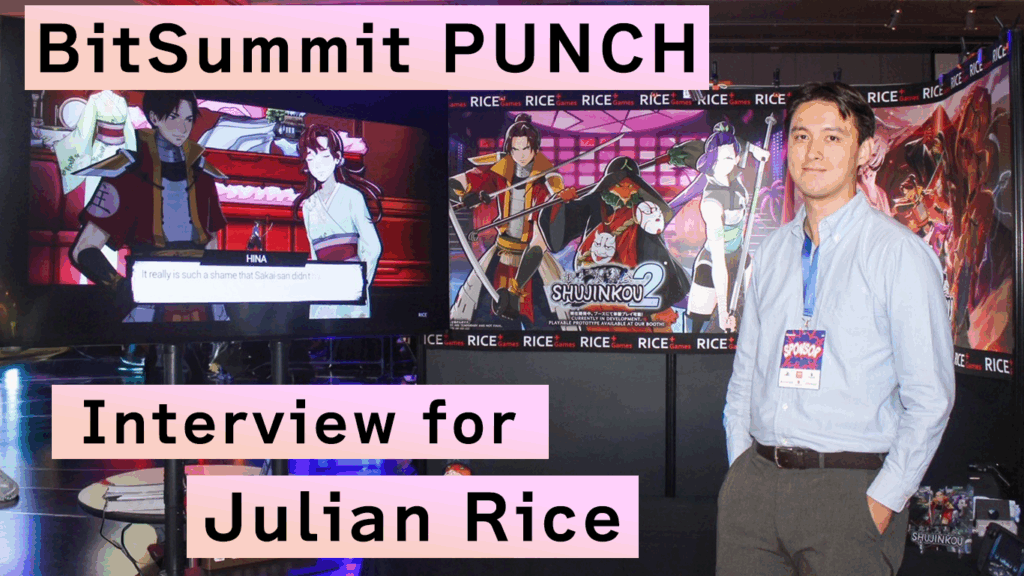
BitSummit is an indie game festival held in Kyoto. In 2026, the event was held as “BitSummit PUNCH,” bringing together many game developers, publishers, media members, and game fans from Japan and around the world. Among more than 500 exhibitors, Rice Games first came to my attention through an interview request email that arrived late at night on the first day of the event.
The company is led by Julian Rice, a developer with Taiwanese and American roots. He is the creator of Shujinkou, a game that combines Japanese language learning with JRPG gameplay. He is now working on its sequel, Shujinkou 2.
Why did Rice Games decide to join BitSummit as a sponsor, rather than as a regular developer exhibitor? And what kind of thoughts did Julian put into Shujinkou? KYOTO CMEX is a co-sponsor of BitSummit and continues to follow the passion of the people taking part in the event. In this article, we look back on BitSummit PUNCH together with Julian and talk about the ideas and feelings behind his games.
About Julian Rice, Representative of Rice Games
A Game Developer with Taiwanese and American Roots
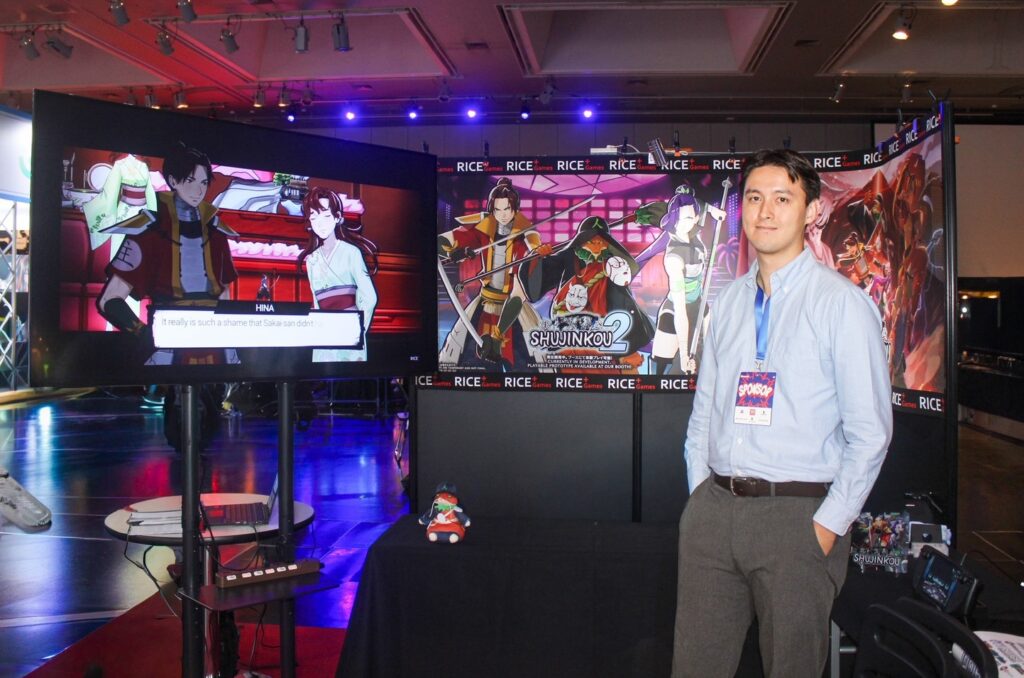
Julian is 28 years old. He is a game developer with Taiwanese and American roots. After graduating from UCLA in 2020, he worked as an engineer at BizReach. During that time, he moved to Tokyo. While working as a company employee, he also used his free time to run his own company, Rice Games.
Julian: “I left my job at the end of 2024. In 2025, I released Shujinkou, a game I had been developing for about seven years. Now I’m working independently.”
Although he speaks in a relaxed way, his journey has been full of energy. He worked as an engineer, ran his own company, and spent many years completing his game.
Game Development with a Team Around the World
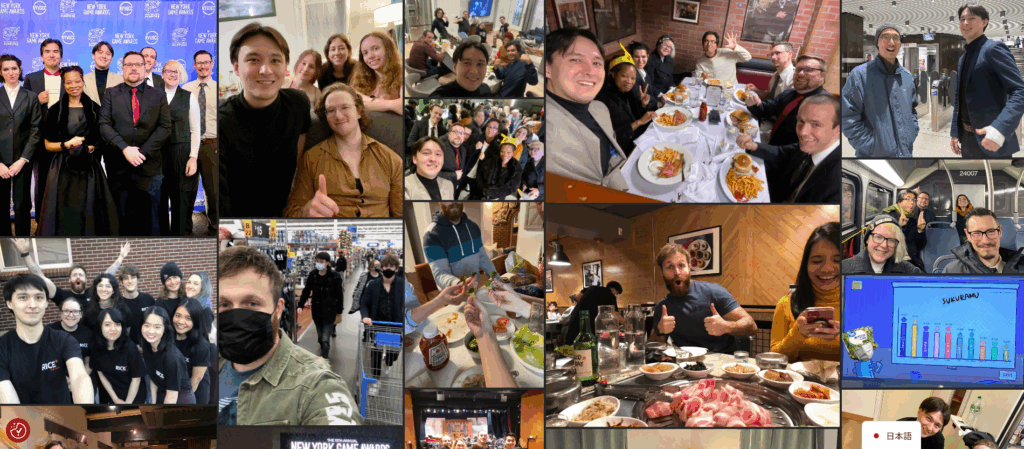
At the moment, Julian is the only full-time employee at Rice Games. However, he is not making the games all by himself.
Julian: “Officially, I’m the only full-time employee. But I have more than 20 important teammates working with me as contractors. They are in many places around the world, including Japan, Latvia, Australia, the UK, and the USA. I ask specialists to help with art, music, scenario writing, QA, and testing while I handle many of the other parts myself.”
Rice Games is a small studio, which feels very indie, but its production team is global. At the center of it is Julian, who works hands-on while keeping an eye on the whole project.
Looking Deeper at What Rice Games Gained from BitSummit
Why Did Rice Games Choose to Exhibit as a Sponsor?
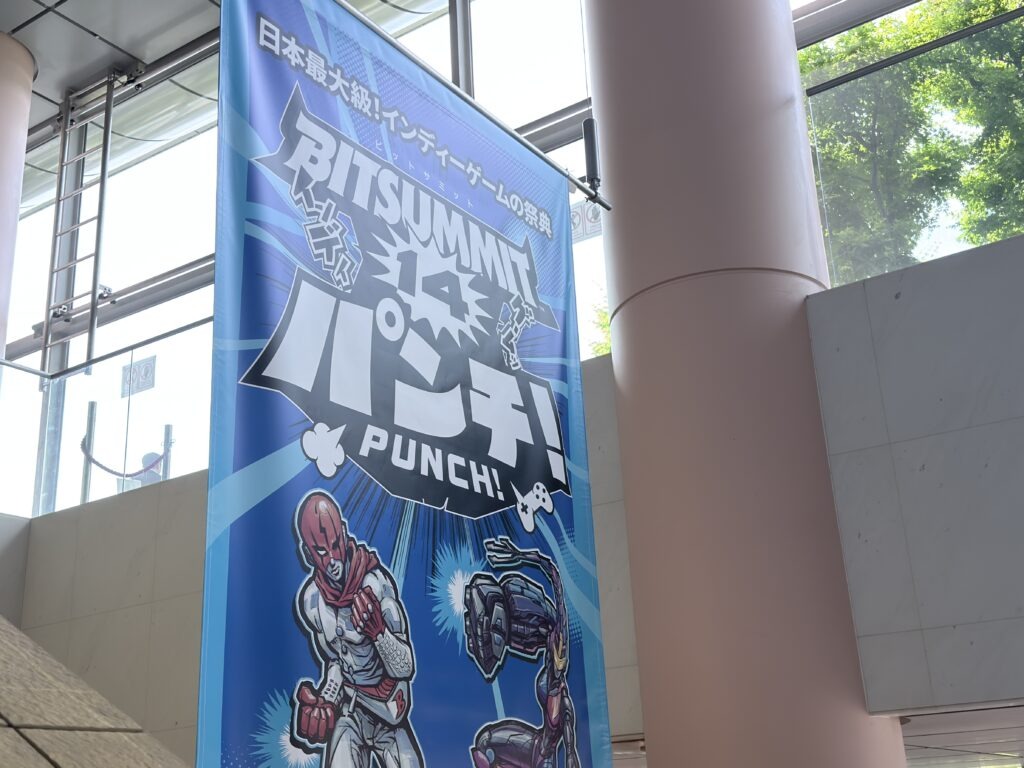
This time, Rice Games joined BitSummit not as a regular developer exhibitor, but as a sponsor.
Julian: “The main reason we chose the sponsor slot was the deadline. For the developer slot, we needed to submit something that was already quite complete by the end of 2025. But with our situation, we couldn’t make that deadline. The sponsor slot gave us more flexibility. At the same time, we could give ourselves a firm deadline: to make a playable game before the event. I thought that would help the team focus.”
For Rice Games, joining as a sponsor was not only a way to promote the game. It was also a way to push development forward.
Looking Back at the Booth
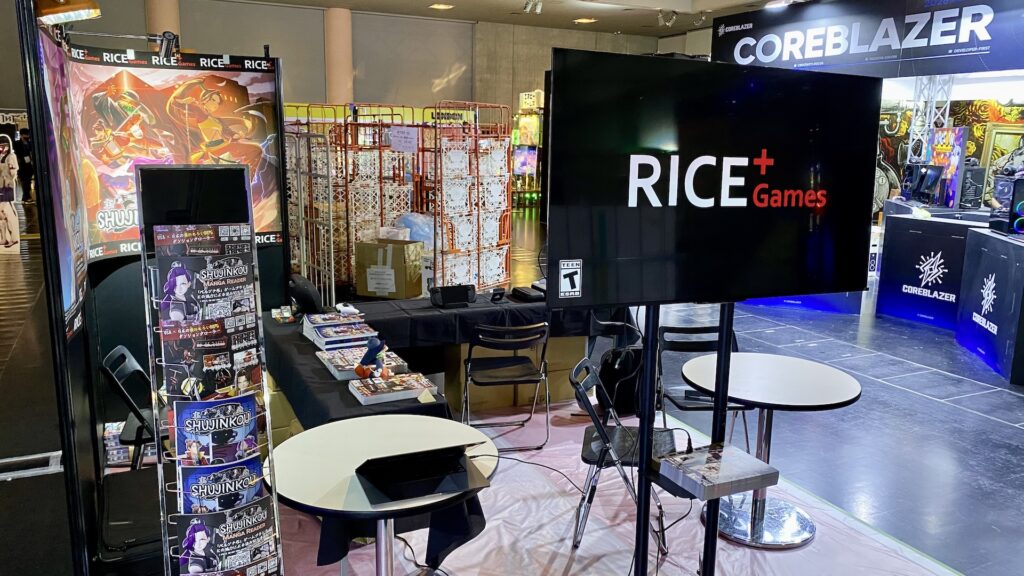
On the first business day of BitSummit, I visited the Rice Games booth. At the booth, visitors could receive free goods and try out Shujinkou. They could also play a prototype of Shujinkou 2, which is currently in development. Since the game was still being developed, there were some bugs. Still, Julian says many people were kind and enjoyed playing it.
Julian: “Actually, the big monitor at the booth was my TV from home. Shipping it was cheaper than renting one. Haha.”
This story shows how Julian tries to make the booth look as good as possible, even with a limited budget. Indie developers cannot always prepare everything in a big-company way. That is why they need to be creative. This practical side is also one of the interesting parts of indie game development.
Connections Made on Business Day
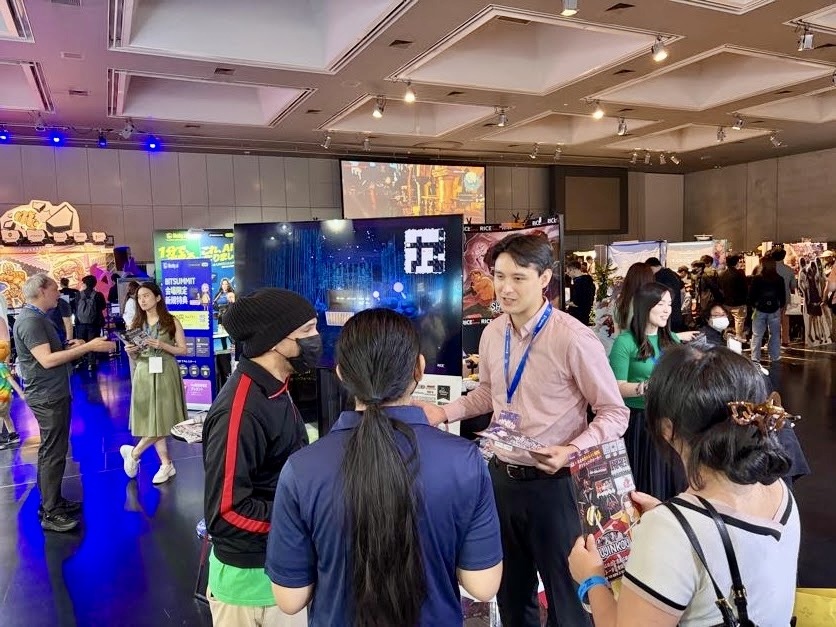
Looking back on the three days of BitSummit, Julian says both the business day and the public days were very valuable. On the first business day, the fact that a development studio was in the sponsor area caught people’s attention.
Julian: “People were interested and asked, ‘Why is a developer in the sponsor area?’ and ‘Who are Rice Games?’ It was good because we could present ourselves as a serious company.”
By joining as a sponsor, Rice Games was seen not only as one developer, but as a company seriously working in the game business. Julian spoke about this with a smile.
Encouragement from the Public Days
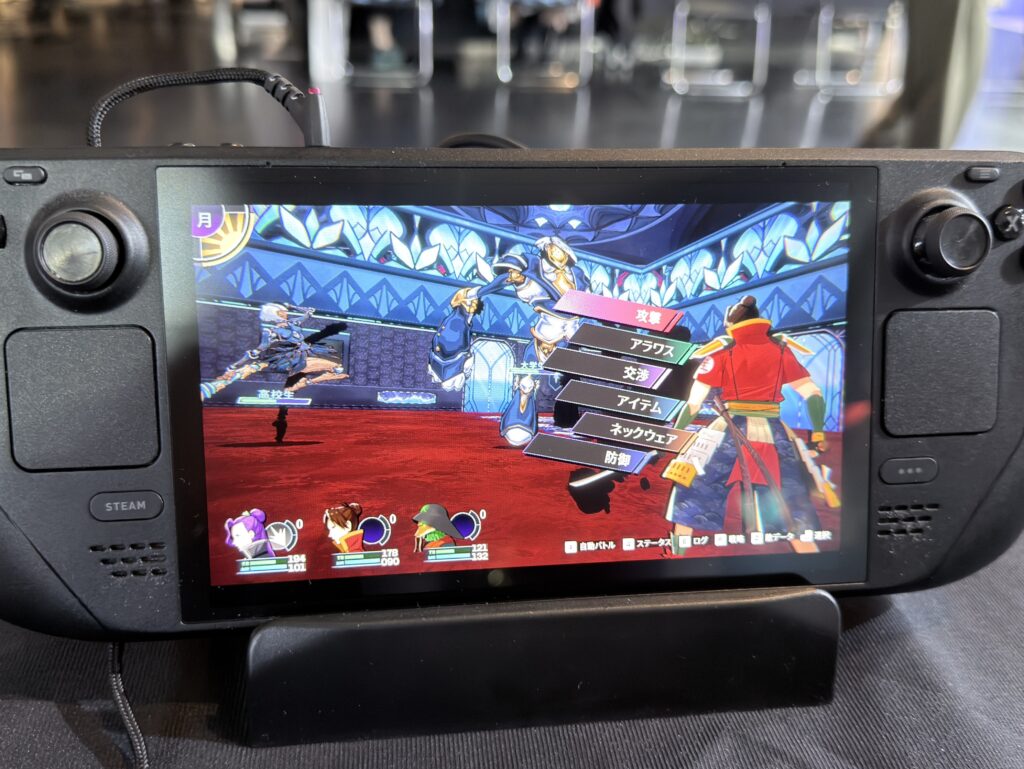
On the public days, Julian was impressed by the pure excitement of visitors.
Julian: “On the public days, there was so much energy from people saying, ‘I want to play the game soon!’ Thanks to that, sales of the first game went up a little. But more than that, the experience of exhibiting as a sponsor, the connections made through exchanging business cards, and the direct reactions to Shujinkou 2 gave me a lot of confidence.”
Even though the game is still in development, there are people looking forward to playing it. That became great encouragement for Julian and helped motivate him for future development. Through this event, Julian feels that Rice Games was able to reach its goals. For him, BitSummit was not only a place to show a new game. It was also a place to understand where the company stands now.
About Shujinkou, the Game Developed by Julian
A Game That Combines Japanese Language Learning and JRPGs
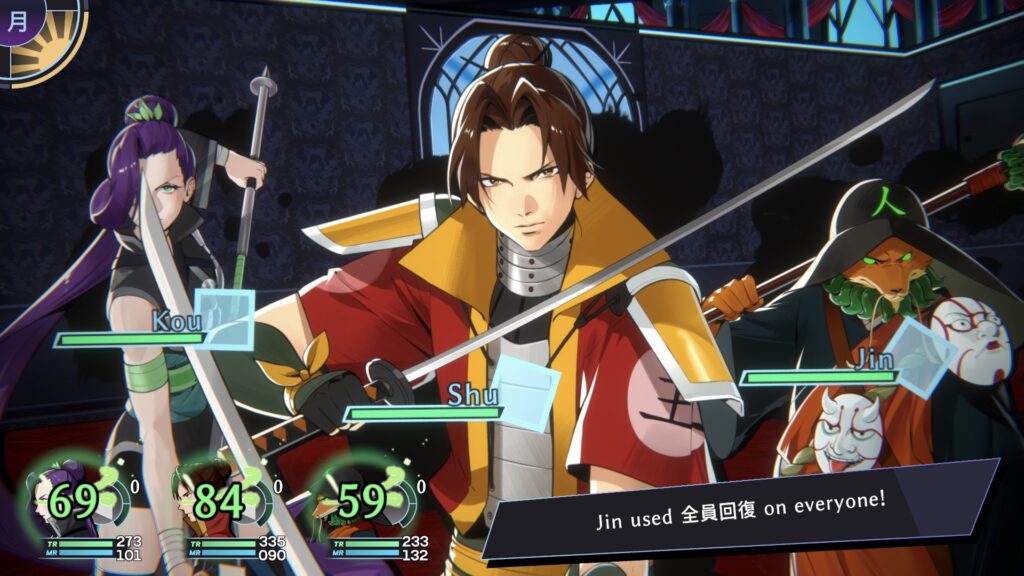
Shujinkou is an RPG where people who do not know Japanese can learn the language while playing. For players who already know Japanese, it becomes an RPG where they can use their language knowledge to defeat enemies.
Julian: “At UCLA, I double-majored in Computer Science and Linguistics (this is a unique joint major) and Japanese Language and Culture, with a minor in Entrepreneurship. I mixed all of them together and expressed them through the thing I love most: games.”
Shujinkou is not just a study tool for learning Japanese. First of all, it is meant to be fun as a game. At the same time, the meanings and structure of Japanese are naturally included in the gameplay. The game was created with both of these goals in mind.
Making Characters Feel Alive
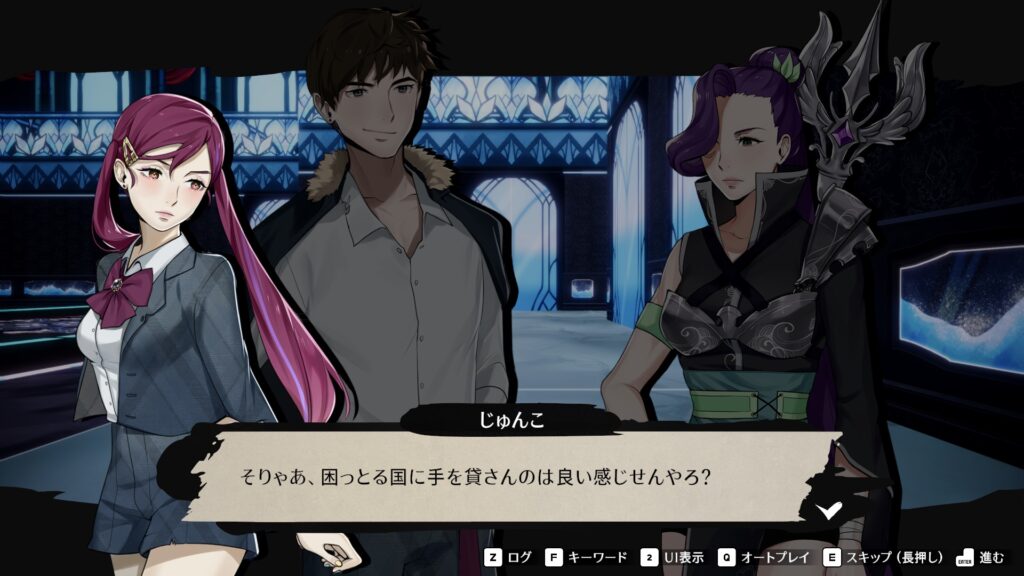
Julian says that characters are especially important in story-driven games. When creating characters, he tries to make them feel human and multi-dimensional, not flat or one-sided. He thinks not only about whether characters “like” or “dislike” someone, but also why they feel that way.
He also makes sure that no matter which writer writes a conversation, the characters do not feel inconsistent. This shows how carefully Julian treats his characters. When the relationships between characters stay consistent, the story becomes more convincing.
Game Music You Can Hum Even Decades Later
Another important part of Shujinkou is its music. Julian plays musical instruments himself, so he has a deep understanding of and love for music. He also has a clear idea of what game music should be.
Julian: “I think game music should be something you can still hum 10 or 20 years after playing. I worked closely with the composing team, and the first game included 158 tracks, with about seven hours of music.”
The music is not only there to make scenes more exciting. Julian wants to create music that stays in the hearts of players for many years. He says that about 20% of the development budget goes into music. For an indie game, that is not a small investment. But this strong feeling is what supports the sound of Shujinkou.
Shujinkou 2 is Being Developed for a Winter 2027 Release
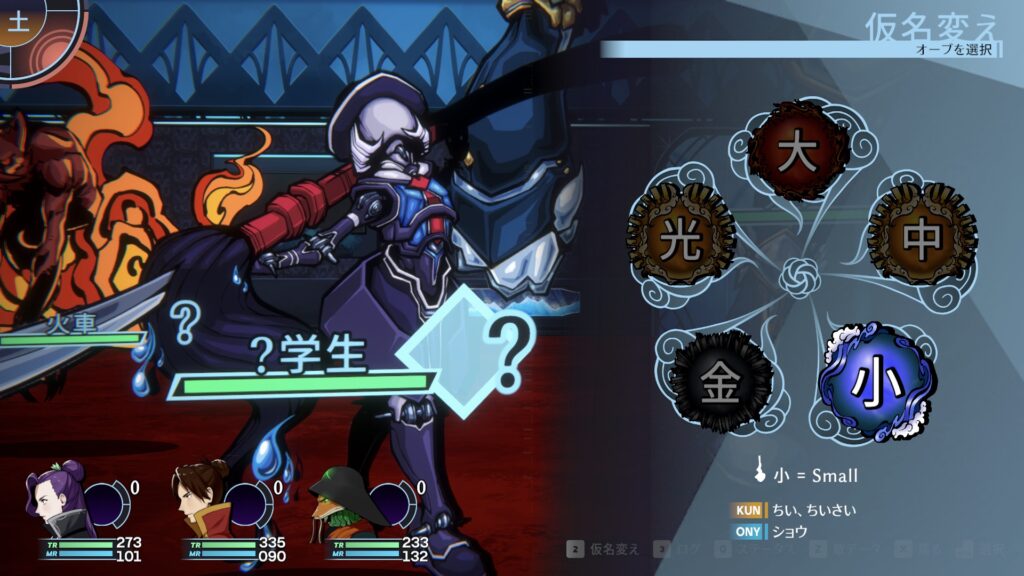
Julian says that Shujinkou 2, which is now in development, can be enjoyed even by people who have not played the first game. The team is aiming to release both Japanese and English versions at the same time. They also want to create a game that players can enjoy for more than 50 hours.
The prototype shown at BitSummit was still in development, but Julian’s words already showed his strong determination.
Julian: “I promise to deliver an unforgettable story and music. This game will be filled with the passion I am putting my life into, so I hope people will look forward to it.”
The game is currently planned for release around winter 2027. Julian also plans to share development updates on social media, so if you are interested in the world of Shujinkou, please keep an eye on future news.
What Julian and Rice Games Found Through BitSummit
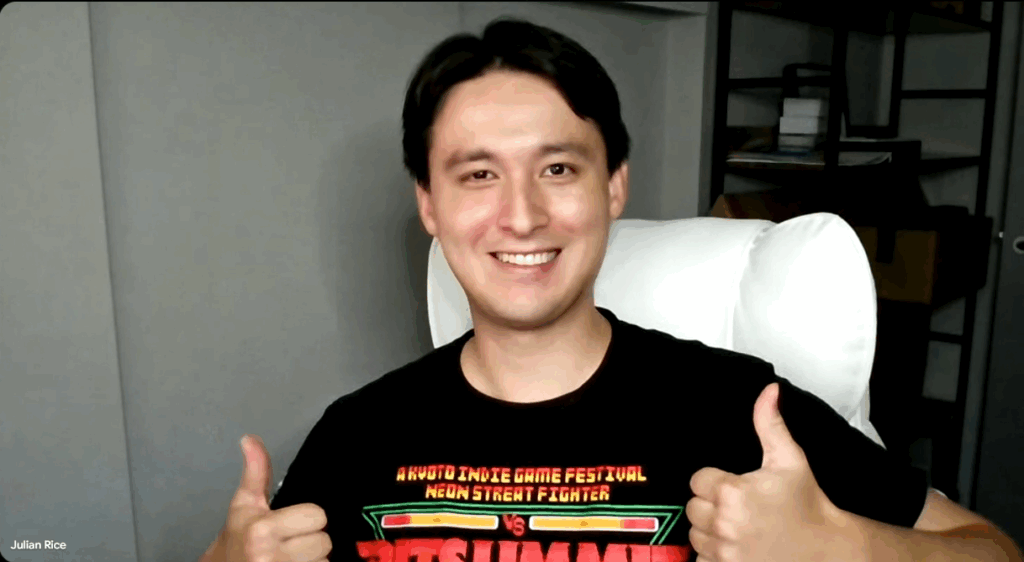
Julian did not join BitSummit only to introduce Shujinkou 2. By taking part as a sponsor, Rice Games was able to let more people know about the company, build business connections, and, most importantly, hear direct reactions from people who actually played the game. The voices and expressions of visitors playing the prototype must have been a great encouragement for him.
Indie game development is not always easy. With limited people and budget, developers have to fix bugs, adjust balance, work with many others, and keep building the game step by step until it is complete.
Even so, Rice Games continues to value what it loves and make games in its own way. That attitude is part of what makes the studio so appealing. The encounters that began at BitSummit may grow into something new in Shujinkou 2. We look forward to following Julian Rice and Rice Games as they continue their journey.
Links
Check Shujinkou on Steam→ https://store.steampowered.com/app/1386630/Shujinkou/
Rice Games’ website→ https://ricegames.net/
Shujinkou on X→ https://x.com/ricegames



![Kyoto International Manga Anime Fair [Kyomaf]](https://cmex.kyoto/wp-content/uploads/2024/09/kv-kyomaf.png)