- Home
- Kyoto International Student Film Festival, movie, pickup
- Exclusive Interview with Director Yuri Kurihara on The Hen Lays Its First Egg [Winner for the 27th Kyoto International Student Film & Video Festival]
Exclusive Interview with Director Yuri Kurihara on The Hen Lays Its First Egg [Winner for the 27th Kyoto International Student Film & Video Festival]
- 2026/1/28
- Kyoto International Student Film Festival, movie, pickup
- 165

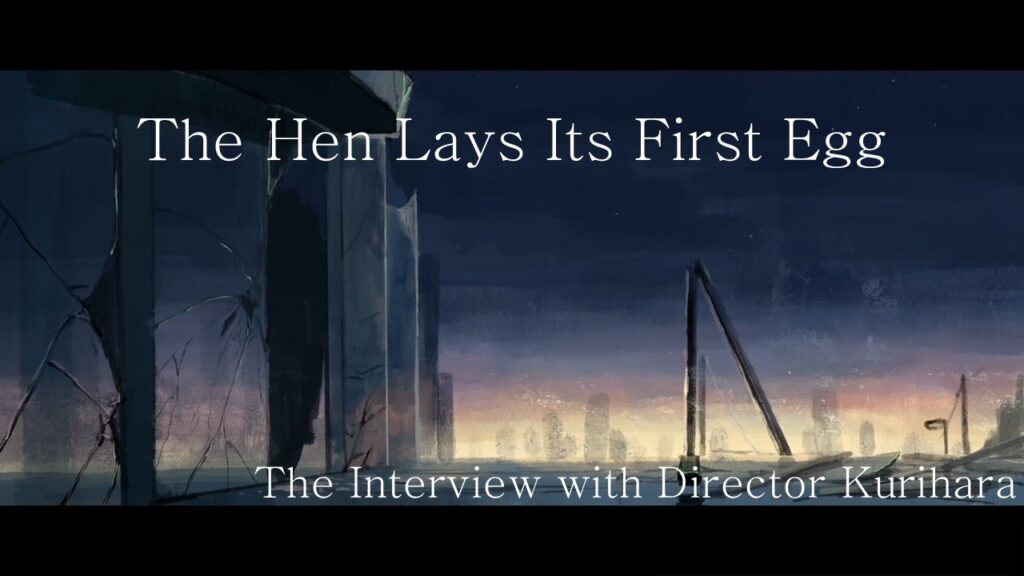
The 28th Kyoto International Student Film & Video Festival is scheduled to take place at the Museum of Kyoto from February 20 to 23, 2026. As a partner of the festival, KYOTO CMEX supports the event through promotional efforts.
This article aims to build excitement for the upcoming February festival by reflecting on last year’s event through an interview with a previous award-winning director. We are pleased to present an exclusive interview with Yuri Kurihara (a Master’s student at Tokyo University of the Arts), who directed The Hen Lays Its First Egg, one of the 16 films selected for the previous (27th) festival. We spoke with her in depth about production anecdotes and her personal journey to help audiences appreciate the work even more.
Watch her work before reading this article on YouTube: https://www.youtube.com/watch?v=m238ZW70Kf0
*The information is current as of the time of interviewing (Feb. 2025).
Synopsis of The Hen Lays Its First Egg
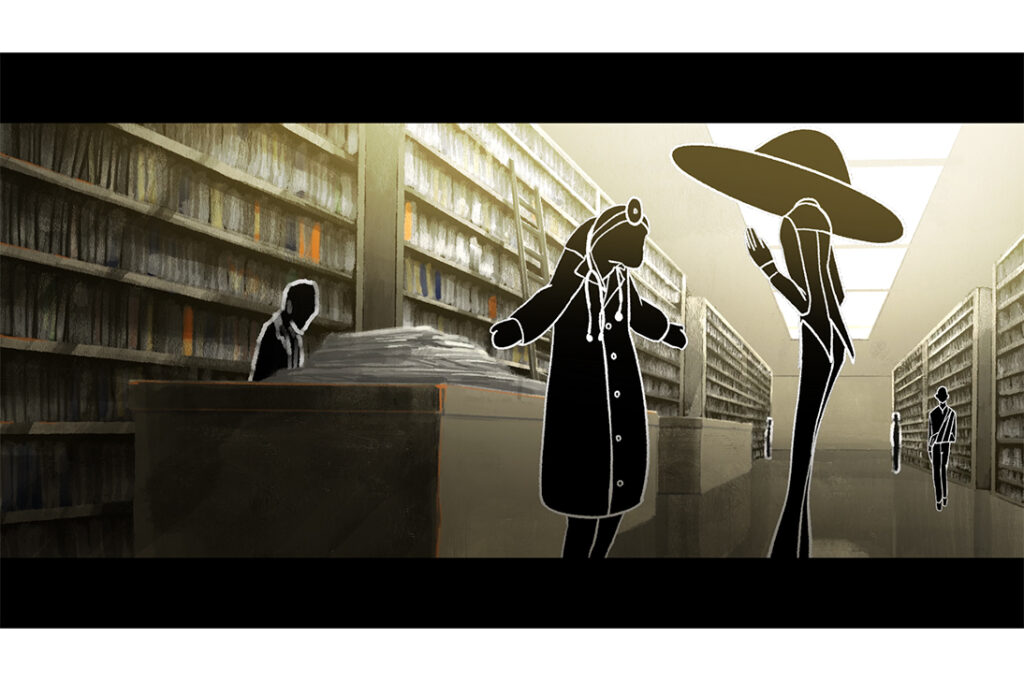
In the year 200X, the world was struck by an unknown disaster in which “all creatures are neither born nor die”. A man and a girl meet in a world where life is an indefinite sentence of death. A man and a woman meet in a world where life is an indefinite sentence. Why do people live? Is there any meaning to this life? This short animated film approaches the meaning of human life.
Committing to film was a recent decision
Director Kurihara didn’t always set out to be a filmmaker from the start of university. She originally majored in design, and it was through those studies that her interest in film began to grow.
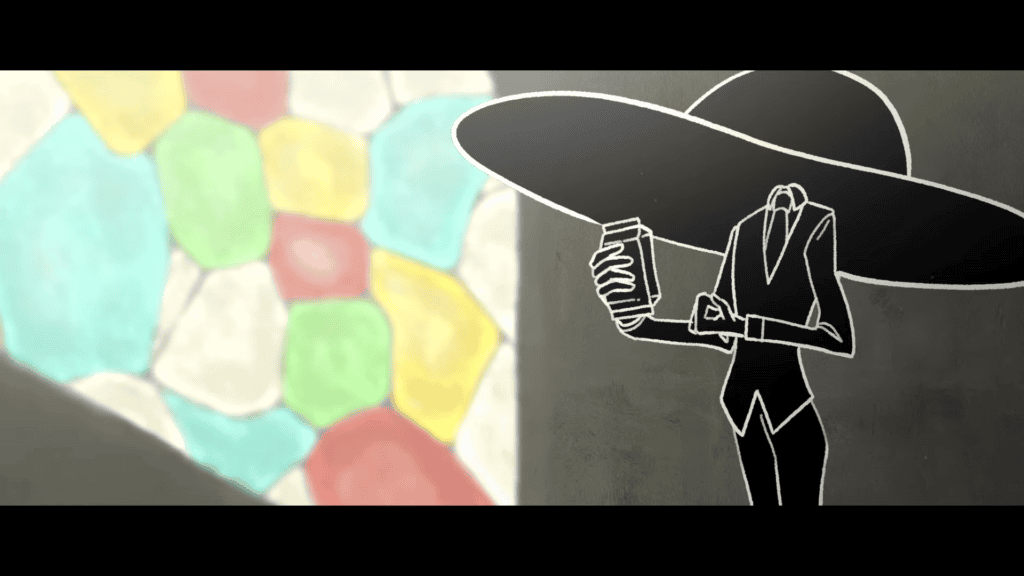
— Had you been a fan of movies and animation since you were a child?
Kurihara: “Not exactly. I wasn’t the type of child who was a huge cinephile, though I did watch a lot of Studio Ghibli films. As I studied design at university, I found myself constantly grappling with the idea of ‘how to communicate things to people.’ I realized that film might be the most effective medium for that. I eventually chose to make a film for my graduation project—the culmination of my undergraduate life. That was The Hen Lays Its First Egg. However, that was actually my very first time ever making a film or an animation…”
— That sounds like a massive undertaking. Was the production difficult?
Kurihara: “Yes, it was. I was essentially starting from zero. I had a vague concept since my junior year, but I didn’t finish the script until my senior year. By the time the drawings actually started moving, it was already the fall of my final year.”

— Were the staffs and casts also from Tokyo University of the Arts?
Kurihara: “Yes, they were peers from my university whom I reached out to. I asked a friend majoring in composition to handle the music. I gave them the storyboards—which are like rough sketches—and explained the atmosphere I was aiming for, then let them compose freely. I also asked friends to do the voice acting, providing direction here and there as we went. The recording sessions were a lot of fun.”
— Do you have any memorable stories from the recording sessions?
Kurihara: “Well, do you know the correct pronunciation of the title in Japanese, Niwatori Hajimete Toya ni Tsuku (The Hen Lays Its First Egg)? We actually didn’t know at first! We had to open YouTube right there on the spot to check how NHK announcers pronounced it. It was a very relaxed, friendly atmosphere like that.”
Staying true to the message
Kurihara chose animation as her medium for this story. While many associate “film” with live-action, we delved into what she specifically wanted to convey through animation.
— Is there a difference in the expressive range between animation and live-action?
Kurihara: “I feel like animation allows for more control than live-action. In live-action, you can’t always control nature—like the way a leaf is facing, for example. From a compositional standpoint, I felt animation allowed me to express exactly what I wanted to depict.”

— I see. Animation certainly offers that precision. In respect of that, the use of color was also very striking.
Kurihara: “The timeline of the story moves from winter toward spring, and I hope the audience can feel that transition through the colors. I utilized my design background to be very deliberate with the palette, especially in scenes I wanted people to pay close attention to.”
— Regarding the script, there seemed to be a contrast between “phenomenon” and “meaning”. Were there specific points you focused on?
Kurihara: “Actually, I shifted the direction slightly while refining the script. I think that ultimately led to those two words becoming the central theme. It was a bit of a coincidence, but I’d love for the audience to watch the film and reflect on that meaning themselves.”
Experiencing COVID-19 pandemic
The experience of the COVID-19 pandemic served as a catalyst for creating this film. Like the director, many students at the time felt a sense of lingering regret over lost time.
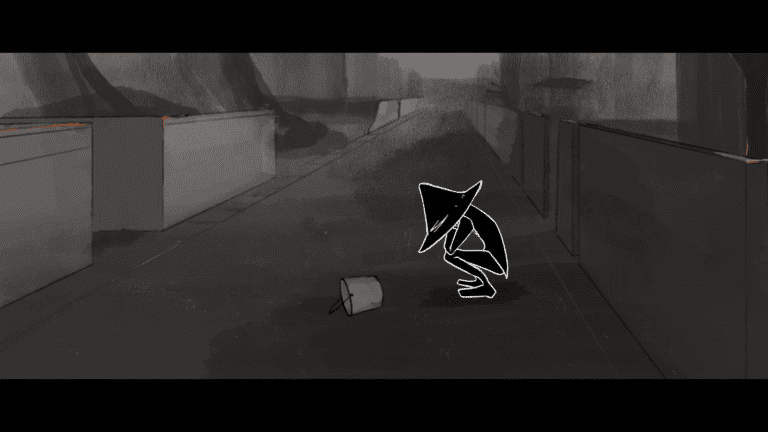
— You mentioned the pandemic was the spark for this film. Did your perspective change through the production process?
Kurihara: “My freshman year was right in the thick of the pandemic. All the events for new students were canceled, and I felt so frustrated. My impression of the pandemic itself hasn’t changed, but I think this project gave me a way to process those feelings.”
— How specifically did your feelings evolve?
Kurihara: “I still feel that it was a frustrating, irreplaceable loss of time. However, the cast and crew of this film are the friends I lived through that time with. We lost a lot, but we also gained something. I think I wanted to show that to the world. In that sense, making this film definitely shifted my mindset.”
A love for the city of Kyoto
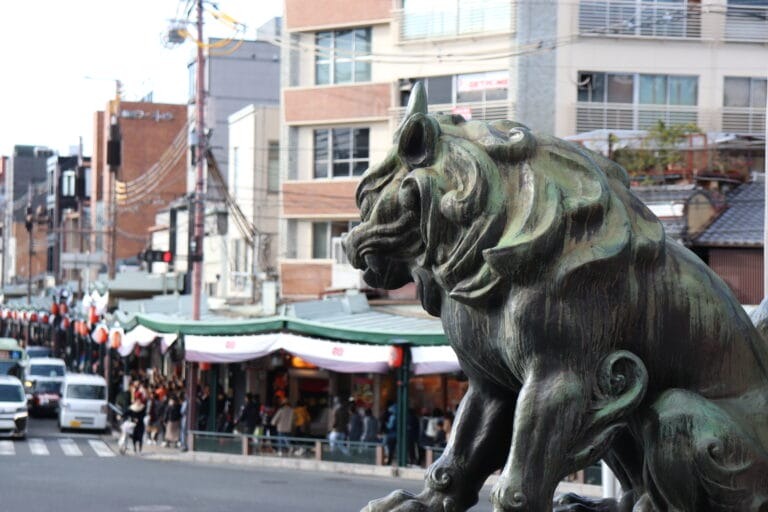
Director Kurihara visited Kyoto for the awards ceremony. When asked for her impressions, she lit up, saying, “I absolutely love this city”.
— Aside from the ceremony, did you get a chance to do some sightseeing?
Kurihara: “Of course! I’ve always loved Kyoto, so I took advantage of the festival to visit various places. It’s an incredible place where the ancient and the cutting-edge coexist. I also love how art feels closer to the everyday lives of the citizens compared to Tokyo.”
— Do you have any favorite memories of Kyoto?
Kurihara: “Actually, one of the models for the protagonist (a man of designer) is “watashi” from Tomihiko Morimi’s The Tatami Galaxy. I went on a “pilgrimage” to spots from his works like The Night Is Short, Walk on Girl and The Tatami Galaxy—visiting Shimogamo Shrine and Gion.”
I want to continue creating a film
Now in her first year of a Master’s program, Kurihara is approaching her final year. We asked about her future plans.
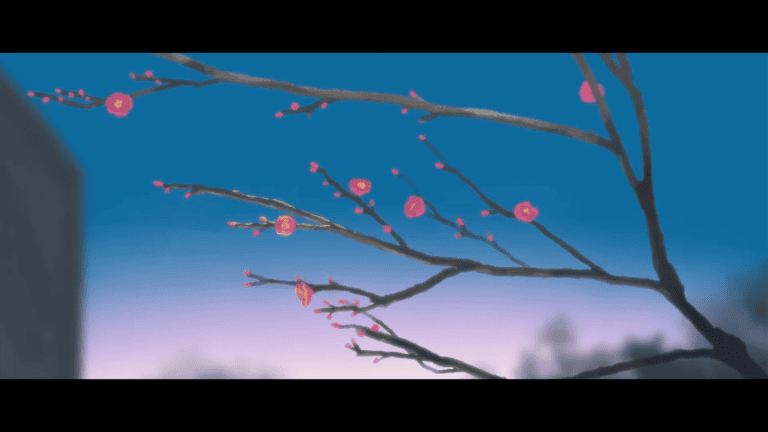
— What are your dreams for the future?
Kurihara: “I want to become a film director after grad school. But I’m actually thinking about taking a leave of absence, so I probably won’t graduate in just one more year.”
— A leave of absence? What led to that decision?
Kurihara: “Many students at art university go on to grad school, but I feel like I’m still lacking in my craft. As I mentioned, The Hen Lays Its First Egg was my very first attempt at filmmaking. I discovered film as a medium far too late, and I’m painfully aware that I need more training. That’s why I’m taking a break—to study, create more work, and grow as an artist.”
— What do you hope to learn and apply to your future work?
Kurihara: “I received so much feedback this time. It gave me confidence, and personally, it was just a lot of fun. I want to continue putting my messages into film and communicating them to others. To do that, I need to face myself and keep refining my skills to produce even better work.”
On Making Student Films
Reflecting on her selection for the festival, Kurihara noted that “the level of the other directors was incredibly high”, and offered a message to the next generation.
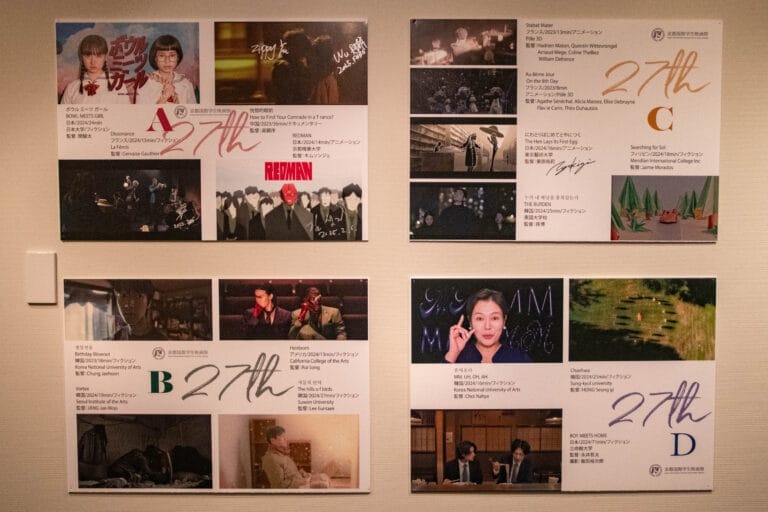
— Do you have a message for students considering submitting their work?
Kurihara: “Please cherish the sensibilities that you can only have while you are a student. At the Kyoto International Student Film Festival, the judges are students themselves, and I think one of the reasons I was selected was because I was able to share those specific feelings with them. While it’s important to create a message that appeals to a wide audience, it’s even more important to value what you can only do right now.”
— What did you think of the other selected works?
Kurihara: “Director Shunta Seki’s BOWL MEETS GIRL… that was truly amazing. I was shocked when I first saw it. Everyone’s level is so high. I hope students pour all their energy into their work to create something that resonates with someone. I look forward to seeing people give their best performances, perhaps using past selections as a reference.”
Closing
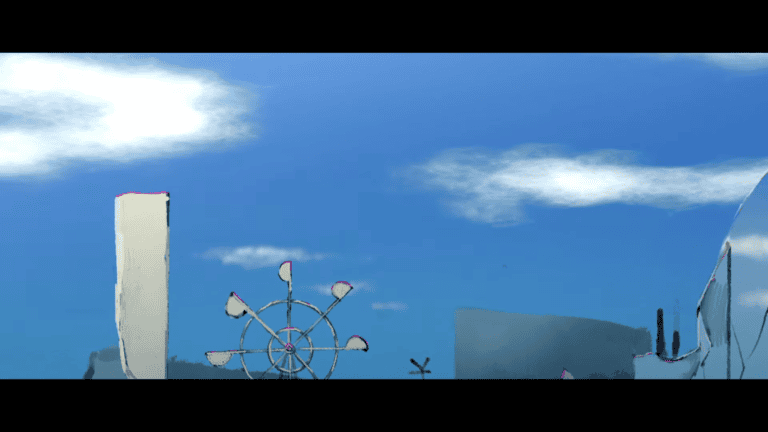
This concludes our interview with Director Kurihara regarding her film The Hen Lays Its First Egg. The film is currently available on YouTube, Amazon Prime Video, and U-NEXT, so please take the time to watch it. Using this recognition as a stepping stone, she is poised to grow into a formidable film director. We look forward to seeing what she does next.
Kurihara’s SNS account: X Instagram

Finally, the 28th Kyoto International Student Film & Video Festival will be held at the Museum of Kyoto from February 20 to 23. This year, various awarded films will be screened in the theater, and lectures by guests will also be conducted.
For more information, please visit official website: https://www.kisfvf.com/









![Kyoto International Manga Anime Fair [Kyomaf]](https://cmex.kyoto/wp-content/uploads/2024/09/kv-kyomaf.png)