- Home
- crossmedia, manga, pickup
- We Put KYOTO City to the Test: How Otaku-Friendly is the Kyoto for Oshi-Katsu (supporting a fav)?
We Put KYOTO City to the Test: How Otaku-Friendly is the Kyoto for Oshi-Katsu (supporting a fav)?
- 2026/9/21
- crossmedia, manga, pickup
- 7

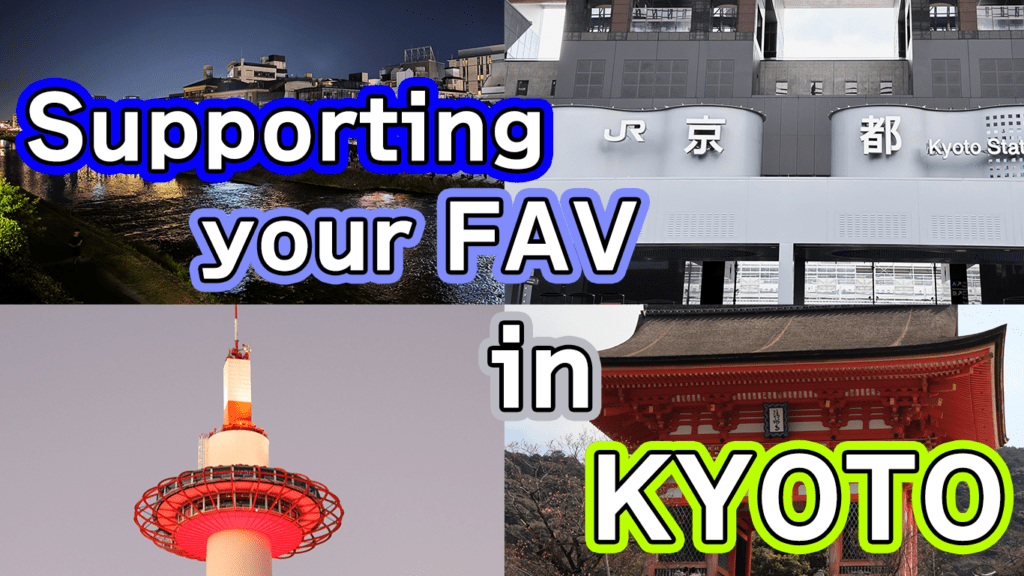
When you hear, “My favorite artist is performing in Kansai!” or “There’s going to be a concert at ROHM Theatre Kyoto!”, you may consider adding a short trip to Kyoto before or after the event. After all, Kyoto is only about 30 minutes from Osaka by JR train. However, a concert can already take up most of your day, and sightseeing while pulling a large suitcase around is not exactly easy.
In this article, we ask the question: Is Kyoto really a fan-friendly city? We will look at whether visitors from outside Kyoto can safely leave their luggage, explore the city with their favorite merchandise, and then continue to their next destination without too much difficulty. As a Kyoto resident, I will evaluate the city as critically as possible. Along the way, I will also introduce several places where you will definitely want to take photos of your favorite plushies, acrylic stands and other merchandise. Please read until the end!
Are the coin lockers a battle?
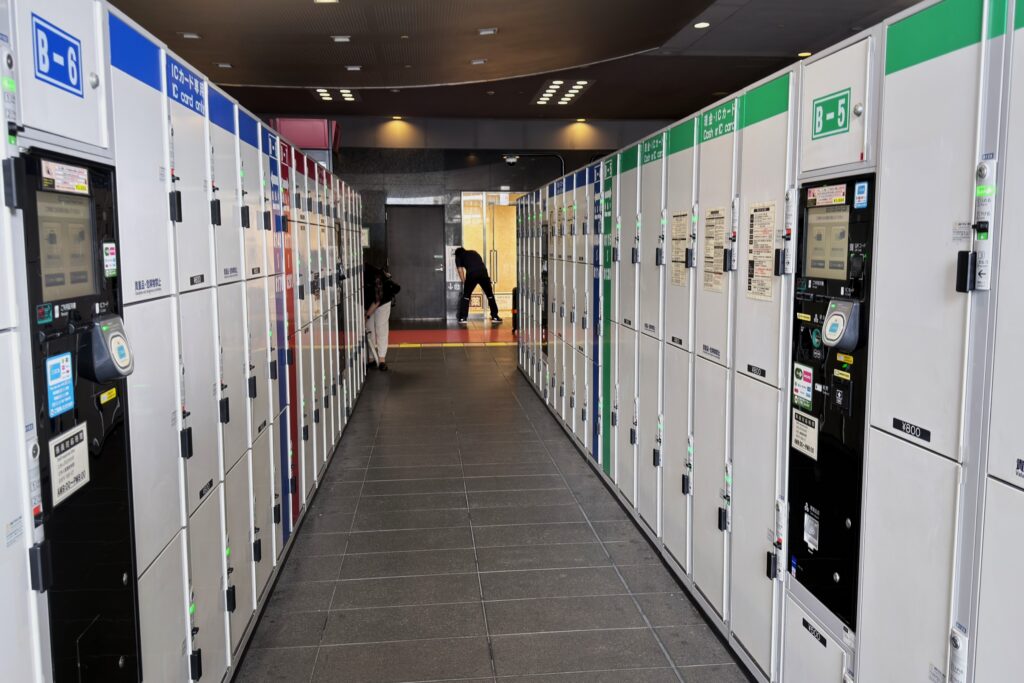
When visiting Kyoto before or after a concert, one of the first things you will probably want to do is put your suitcase in a coin locker. Kyoto Station, the main gateway to the city, is a huge transportation hub served by four railway operators: Tokaido Shinkansen, JR, Kintetsu Railway and the Kyoto City Subway.
Fortunately, even if you cannot find a locker at Kyoto Station, there are a limited number of coin lockers at some Kyoto City Subway station. If you have purchased a subway day pass, which I will discuss later, taking the subway for a few stops to search at another station will not cost you anything extra.
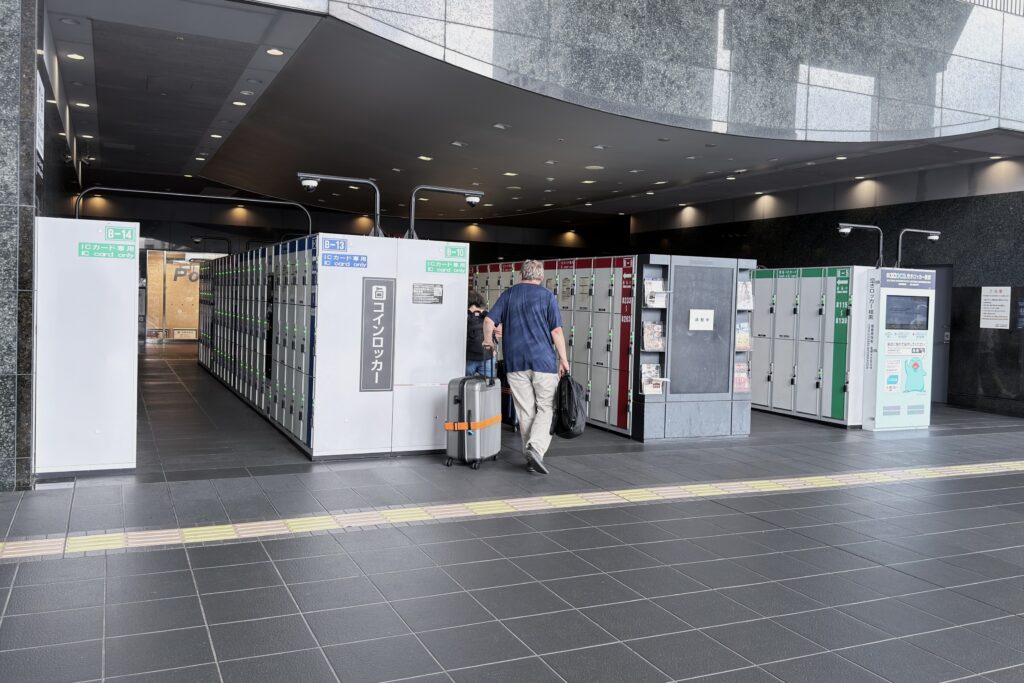
For more information about the number and location of lockers at individual subway stations, please refer to the Kyoto City Transportation Bureau website. You can also check the availability of lockers at Kyoto Station through Kyoto Station Smart Navi, operated by the Kyoto City Tourism Association. When choosing a locker, do not only consider whether it is empty. You should also consider how easily you can collect your luggage before boarding the Shinkansen or a night bus.
Luggage storage score: 50/100
How convenient is public transportation in Kyoto?
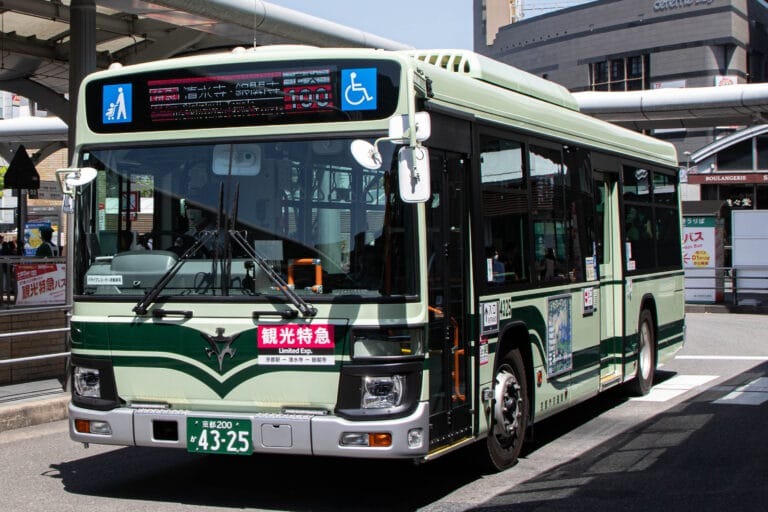
The next question is whether visitors can travel comfortably around the city. The Kyoto Municipal Subway and local buses are the main forms of public transportation. However, the farther you travel toward tourist attractions outside the city center, the more likely you are to depend on buses. Kyoto has only two subway lines, one running mainly north to south and the other east to west. They do not cover diagonal journeys across the city very well.
Kyoto’s bus routes can be confusing for first-time visitors. Some routes operate less frequently than the subway, and buses can become extremely crowded, particularly during busy tourism seasons. It is understandable that someone visiting Kyoto for the first time might feel overwhelmed. For that reason, this article focuses as much as possible on routes that do not require buses.
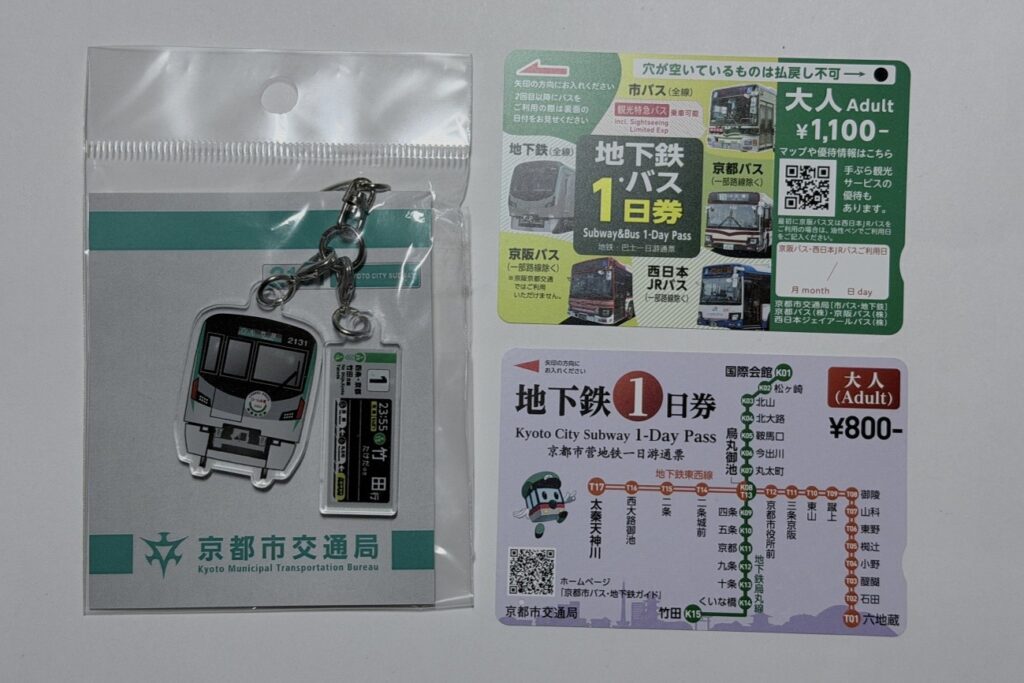
There is one-day subway pass that is available for 800 yen, so you can travel without worrying too much about the total cost. If you also plan to use city buses, a Subway & Bus One-Day Pass is available for 1,100 yen.
Kyoto is also served by several private railway companies. Keihan Railway, Hankyu Railway and the Randen tram provide access to many well-known areas and attractions. Please note that the Kyoto City Subway does not currently allow passengers to tap a standard contactless credit card directly at the ticket gate.
Taxis are another option. Although they cost more than public transportation, taxis can often be found along major roads. Ride-hailing apps such as Uber is also available in Kyoto, which can provide some reassurance if you are carrying a lot of merchandise or are running late for a concert.
Considering its limited subway network and the complexity and congestion of the bus system, Kyoto receives 65/100 for transportation.
How good are Kyoto’s anime and pop culture shops?
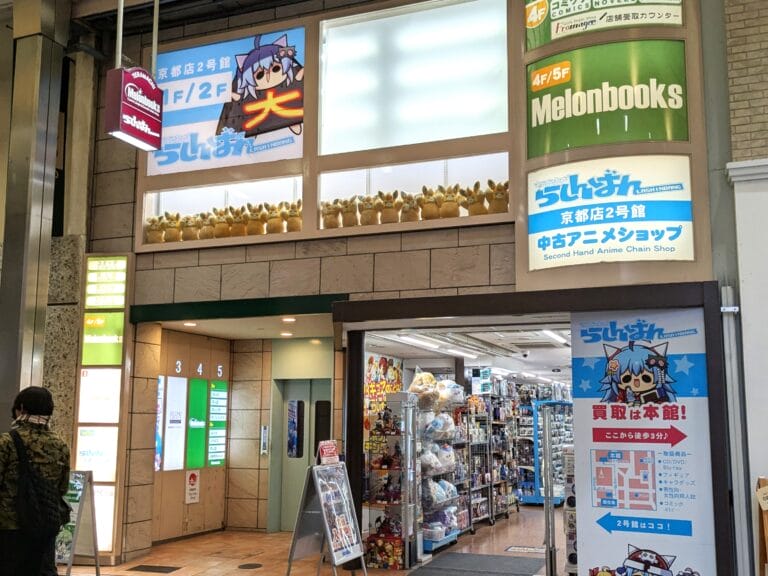
Major anime shop chains tend to carry similar products across Japan. Even so, visiting a local branch can still be part of the fun when traveling. Secondhand shops are especially appealing because you never know what unexpected merchandise you might discover.
Most of central Kyoto’s anime, manga and pop culture shops are concentrated around the Shinkyogoku and Teramachi shopping arcades. The shops are relatively close together, allowing you to visit several of them within a limited amount of time. The covered arcades also make the area convenient on rainy days, helping protect both you and your merchandise from the weather.
The area includes Animate and Melonbooks, as well as secondhand retailers such as Lashinbang, Surugaya, Mandarake and BOOKOFF.
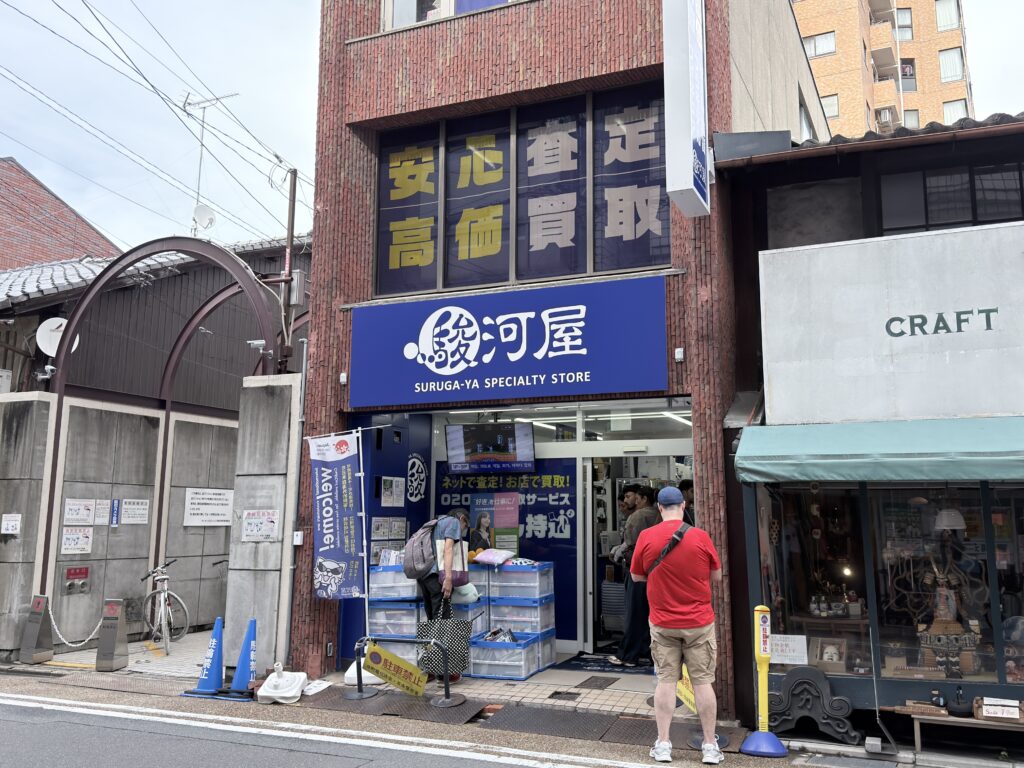
Many of these stores have large sales floors, and it is extremely convenient to have so many different shops concentrated in one area. Each store has its own strengths, giving visitors a wide range of options, from new merchandise and secondhand goods to manga and independently published works.
KYOTO CMEX has already published a detailed guide to Kyoto’s anime and pop culture shops. Please refer to the related article for more information. Related article: [2026 Edition] Kyoto Local Otaku Guide! A Deep Dive into Must-Visit Anime Manga Shops in Kyoto!
Kyoto’s anime and pop culture shopping scene receives an impressive 90/100.
Finding free locations for fan merchandise photos
If you have come all the way to Kyoto, you will probably want to photograph your acrylic stand, plushie or other favorite merchandise against a distinctly Kyoto background.
Kyoto has many spectacular paid attractions, including Kiyomizu-dera Temple and Kinkaku-ji Temple. This time, however, I selected public locations that can be enjoyed free of charge. I also focused on places relatively close to the city center, making it easier to continue to your next destination.
The money you save can go toward buying more merchandise, which is surely the most economical choice possible, at least from a fan’s perspective.
Kyoto Station Central Exit and Kyoto Station Building
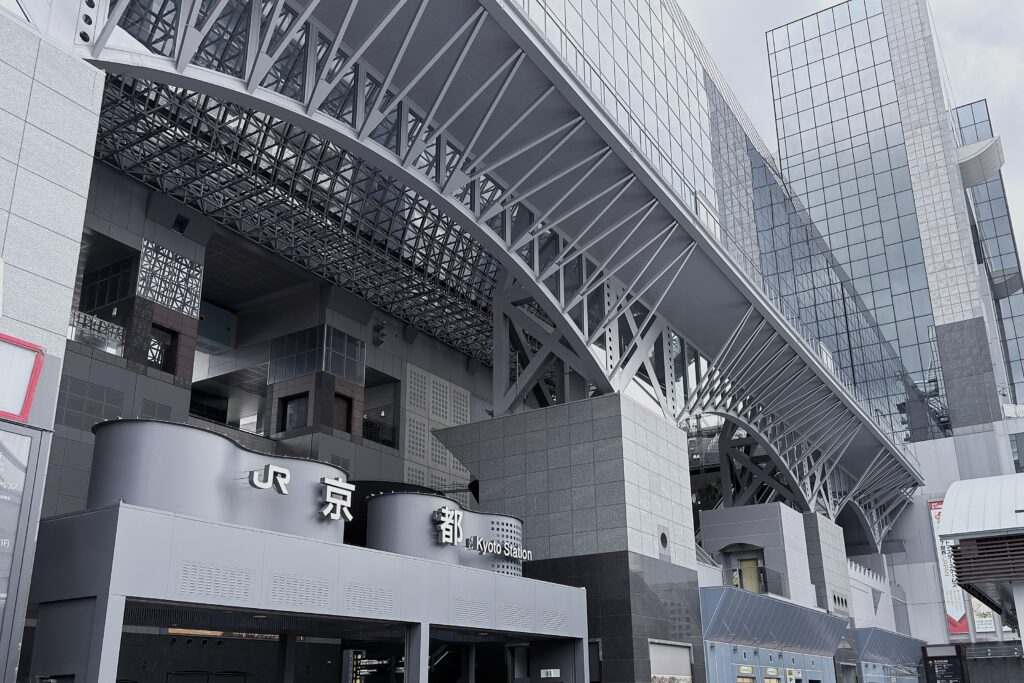
Kyoto Station is one of the first places where you will want to take a photo after arriving.
The station has two main sides. The better-known northern side is home to the Central Exit, which opens toward Kyoto Tower. The station building itself is also highly photogenic, with its enormous glass-covered atrium, exposed structural framework and dramatic open ceiling.
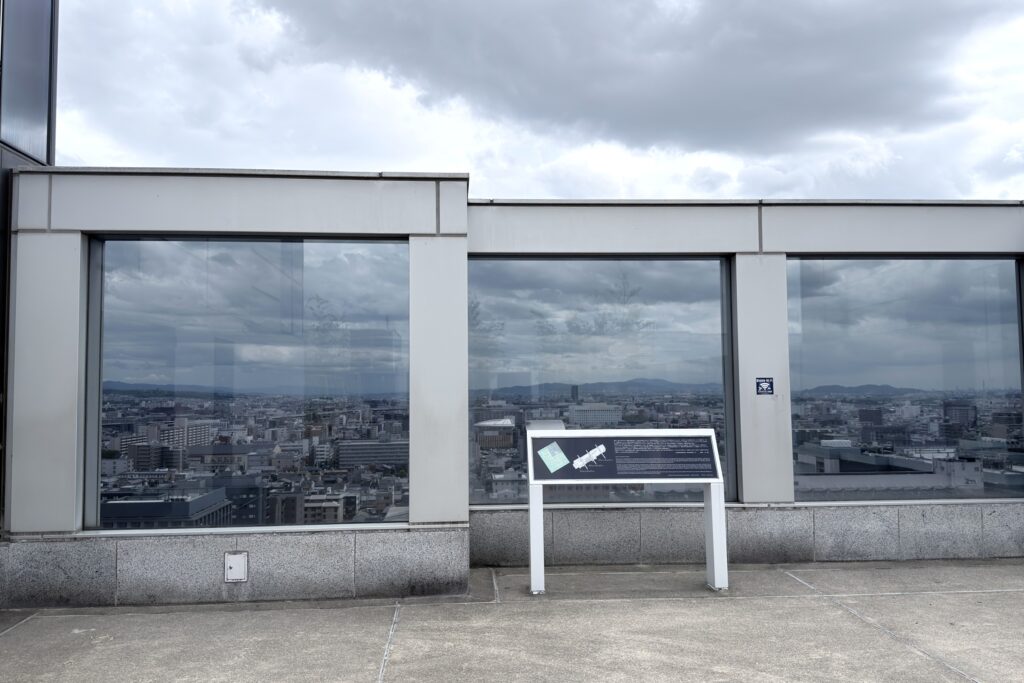
If you have extra time, climb the Grand Stairway and continue toward the upper levels of the station building. The Skyway and rooftop areas are free to enter and offer panoramic views across Kyoto. Despite the quality of the view, these spaces often feel less crowded than Kyoto’s major sightseeing destinations. Under particularly clear conditions, it may even be possible to see toward Osaka.
Accessibility: 50/50 Location and scenery: 40/50 Total: 90/100
Kamogawa area between Sanjo and Shijo
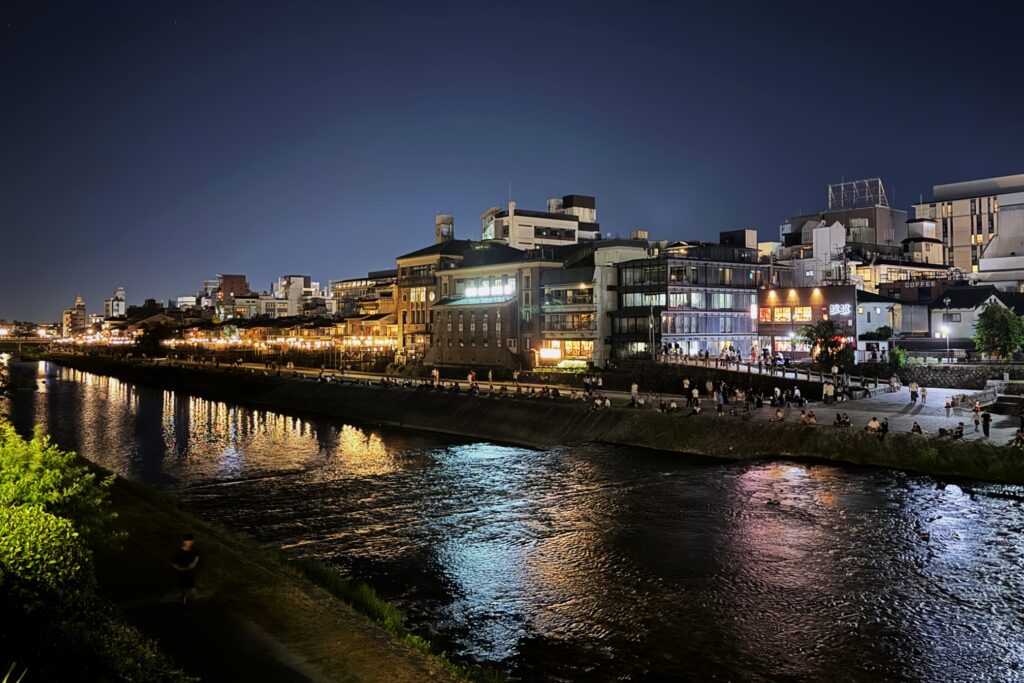
Many people have heard of the Kamo River, even if they have never visited Kyoto. It is traditionally associated with a famous remark attributed to the retired emperor Shirakawa, who named the river’s waters as one of the things beyond his control. The Kamo River runs through Kyoto from north to south. The area between Sanjo Bridge and Shijo Bridge is particularly easy to access and attracts many local residents and visitors.
I personally recommend visiting at night, when the river takes on a more atmospheric appearance. Sanjo Bridge is also historically important as the western endpoint of the old Tokaido road, and the surrounding area has witnessed countless events over the centuries. During the warmer months, restaurants along the river install outdoor platforms known as noryo-yuka. Visitors can enjoy a meal while looking out over the river.
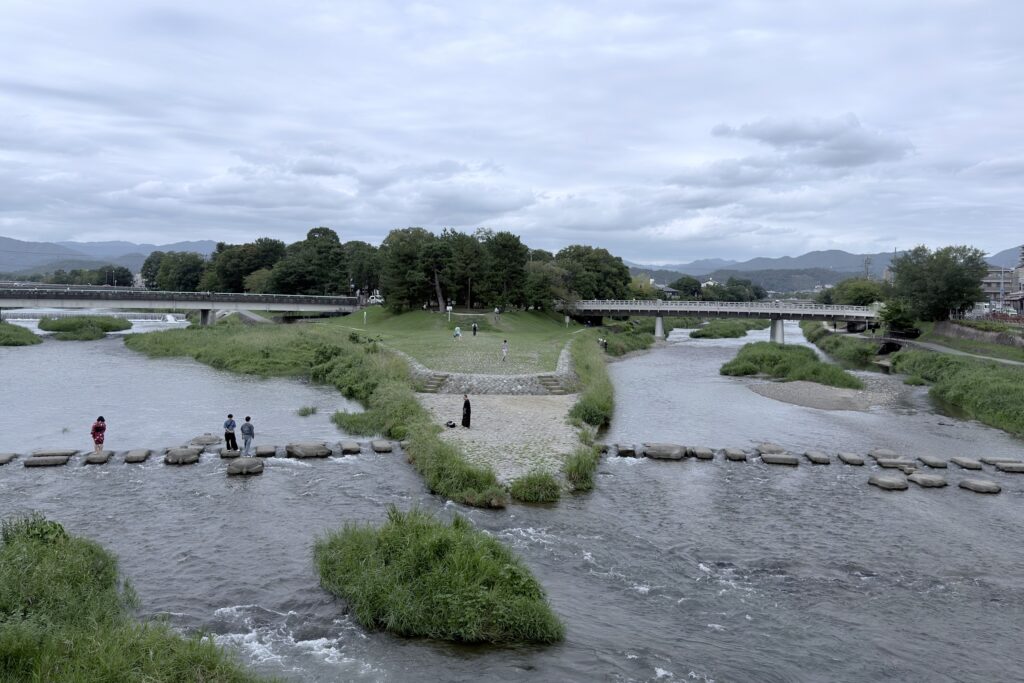
If you travel a little farther north, you will reach the Kamogawa Delta, which has appeared in or inspired the settings of numerous anime productions. It is only a short trip from Sanjo or Shijo by Keihan Railway. If the weather is pleasant and you have enough time, walking along the river is another enjoyable option.
Accessibility: 40/50 Location and scenery: 40/50 Total: 80/100
Tatsumi Bridge in Gion area
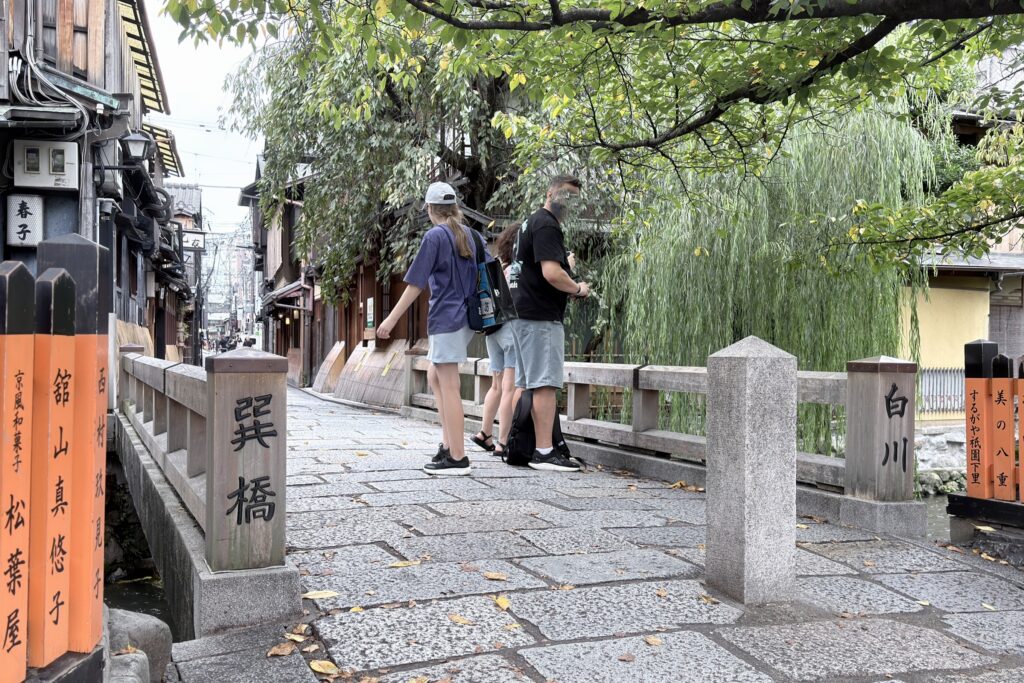
The area around Tatsumi Bridge offers exactly the kind of scenery many visitors imagine when they think of Kyoto. The nearby streets are paved with stone, while traditional-style buildings line the narrow Shirakawa canal. Tatsumi Bridge, which crosses the canal from Lake Biwa, is especially atmospheric and has often been used as a filming location for television dramas and other productions.
The area contains several distinctly Kyoto-style backgrounds within a short walking distance, including the canal, stone paving, wooden facades and the vermilion fence beside Tatsumi Daimyojin Shrine. This makes it an attractive location for photographing plushies and acrylic stands. Rather than limiting yourself to the bridge itself, try walking along the Shirakawa and looking for a background that matches your favorite character’s image or colors.
If you continue walking from Tatsumi Bridge, you can also visit Yasaka Shrine. Along the way, you will pass Hanamikoji Street and the shopping streets of Gion, allowing you to explore the wider neighborhood with your favorite merchandise. Please remember that some streets in Gion are privately owned or have signs requesting that visitors refrain from photography. Always follow the instructions displayed at each location.
Accessibility: 30/50 Location and scenery: 50/50 Total: 80/100
Still waiting for your Shinkansen or night bus? Finding a place for the post-concert discussion
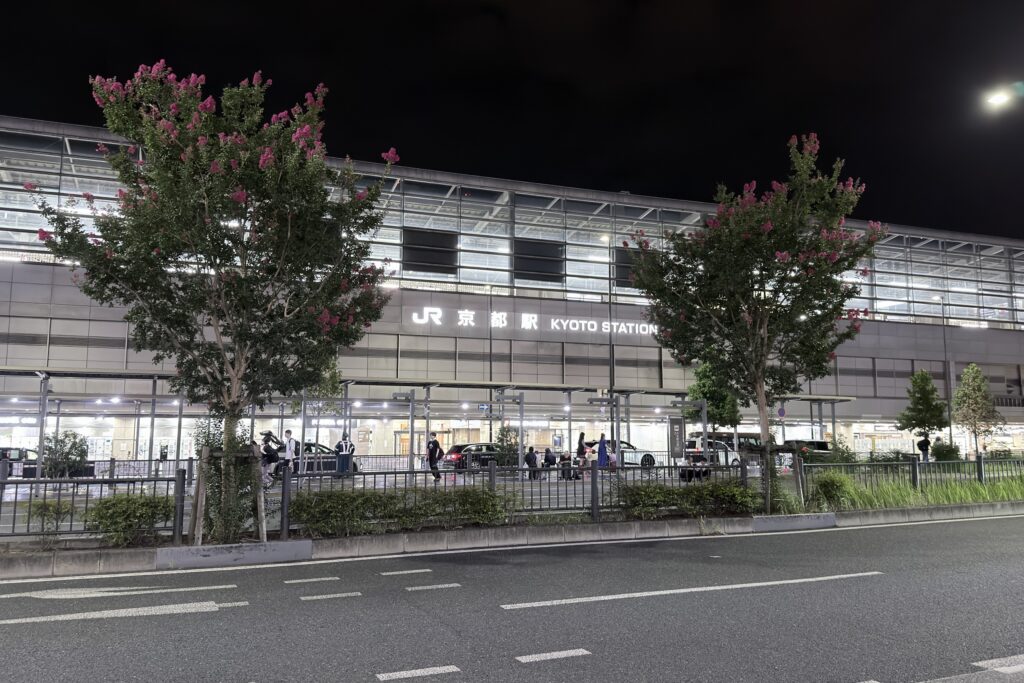
The final faster Shinkansen service (Nozomi) from Kyoto toward Tokyo and Hakata generally depart at around 9 p.m., although exact times vary depending on the date and timetable. Night buses leave later, giving some travelers even more time in the city. If you have time after the concert, you will probably want to talk about the performance, look back through the photos you took and share your favorite moments with your companions.
Fortunately, several of Kyoto’s concert venues are relatively accessible from the city center. ROHM Theatre Kyoto is located in the Okazaki area, while a number of smaller live music venues can be found around Kiyamachi and Kawaramachi. Kyoto cannot compete with larger cities in terms of venue capacity, but traveling from these venues to the central nightlife districts is generally manageable.
Many late-night karaoke venues can be found between Sanjo Kawaramachi and Shijo Kawaramachi
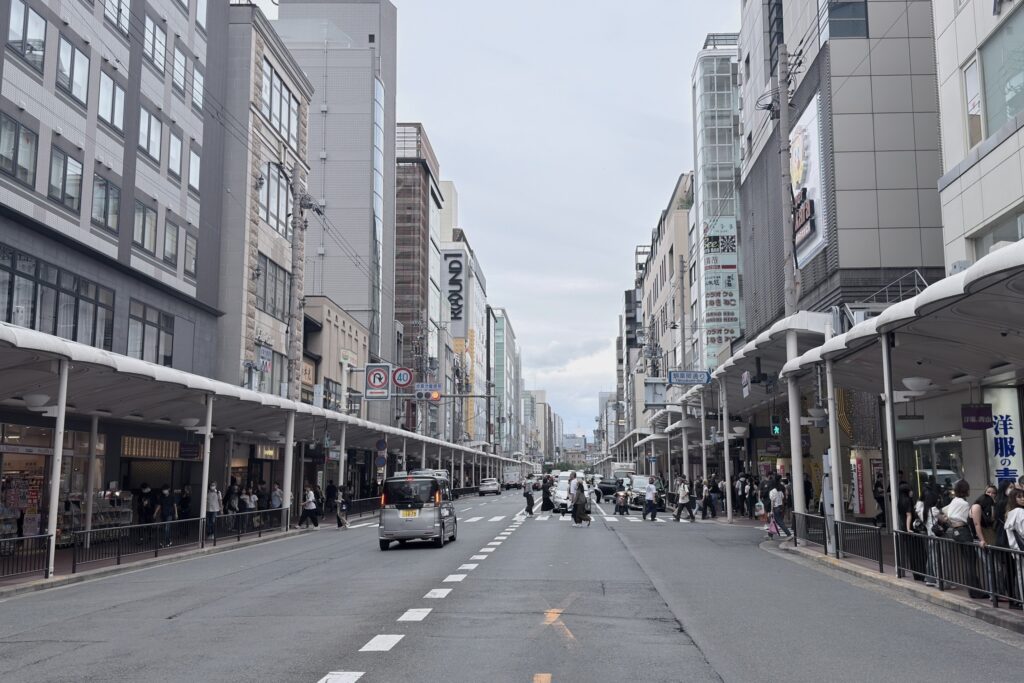
Karaoke is an especially convenient option for a relaxed post-concert discussion. The downtown area (between Sanjo Kawaramachi and Shijo Kawaramachi) contains branches of several major karaoke chains. Room prices can be relatively reasonable, and some venues include unlimited soft drinks in their plans. Karaoke is also one of the most popular nite-life activity in Japan. So, I recommend you to try Japanese culture that can sing your favorite song in private space.
One disadvantage is that the Kawaramachi area is not directly connected to Kyoto Station by a single train. Returning to Kyoto Station by public transportation usually takes around 20 minutes, so make sure you leave enough time before your Shinkansen or night bus departure. There are also several karaoke venues near Kyoto Station. The selection is smaller than in Kawaramachi, but the area is more convenient for travelers who want to stay close to their departure point.
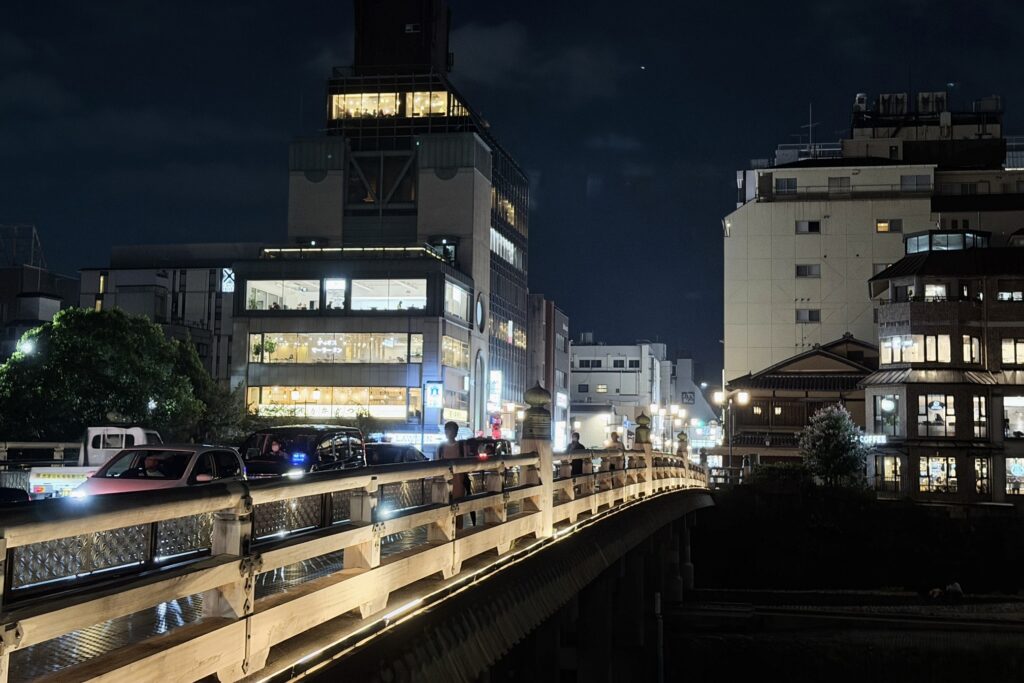
Karaoke is useful for more than singing. You can sit down and rest, recreate parts of the concert setlist, review the photos you took during the day and open newly purchased merchandise in a private space. Depending on the venue, smartphone chargers, Wi-Fi and food or drink options may also be available. Rules concerning outside food, charging equipment and room photography vary by store, so check the official website of the venue before visiting.
Considering the number of venues and the convenience of having a private place to rest, Kyoto receives 70/100 for its nighttime fan activities.
Conclusion: Is Kyoto really a fan-friendly city?
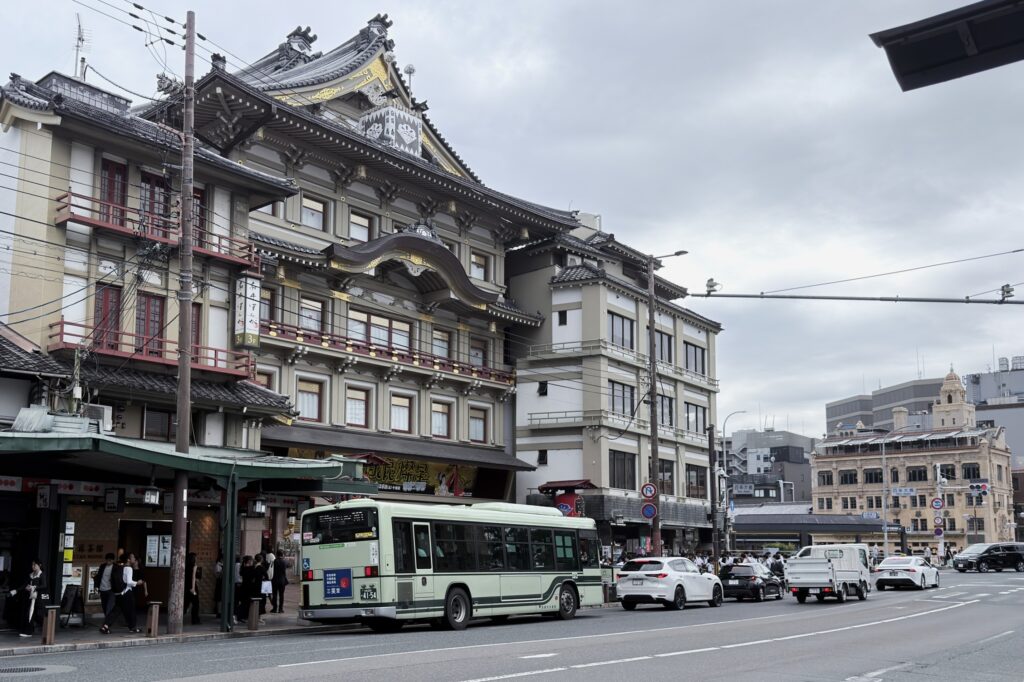
In this article, we evaluated how easy it is to enjoy fan activities in Kyoto from five perspectives: luggage storage, transportation, pop culture shopping, photography and nighttime activities. There are some points that require preparation, including the limited availability of lockers at Kyoto Station and the congestion and complexity of the bus network.
On the other hand, anime and pop culture shops are concentrated around the Shinkyogoku and Teramachi shopping arcades. Kyoto also offers many locations, including the Kamo River and Gion, where visitors can photograph their merchandise against a distinctly local background. After a concert, karaoke venues around Kawaramachi and Kyoto Station provide places to hold a post-show discussion and enjoy the lingering excitement.
- Luggage storage: 50/100
- Transportation: 65/100
- Anime and pop culture shops: 90/100
- Photo opportunities: 85/100
- Nighttime activities: 70/100
Based on these results, Kyoto receives an overall fan-friendliness score of 72/100.
Kyoto is not a city where every destination can be reached by subway, and lockers and buses may become crowded during busy tourism seasons. It would therefore be difficult to claim that visitors can arrive without doing any research and still travel around comfortably.
One of Kyoto’s greatest advantages is the opportunity to make the city’s scenery part of your memories with your favorite artist or character. Fan activities here do not have to end with buying merchandise. Your visit can become a single story incorporating Kyoto’s streets, rivers, night scenery and live entertainment. The next time your favorite artist announces a performance in Kansai, consider setting aside a little extra time for Kyoto. Bring your favorite plushie or acrylic stand and create a photo, and a memory, that could only be made here.
*Information such as fares, opening hours, locker availability and final train departure times may change. Please check the latest information on the relevant official websites before traveling.










![Kyoto International Manga Anime Fair [Kyomaf]](https://cmex.kyoto/wp-content/uploads/2024/09/kv-kyomaf.png)